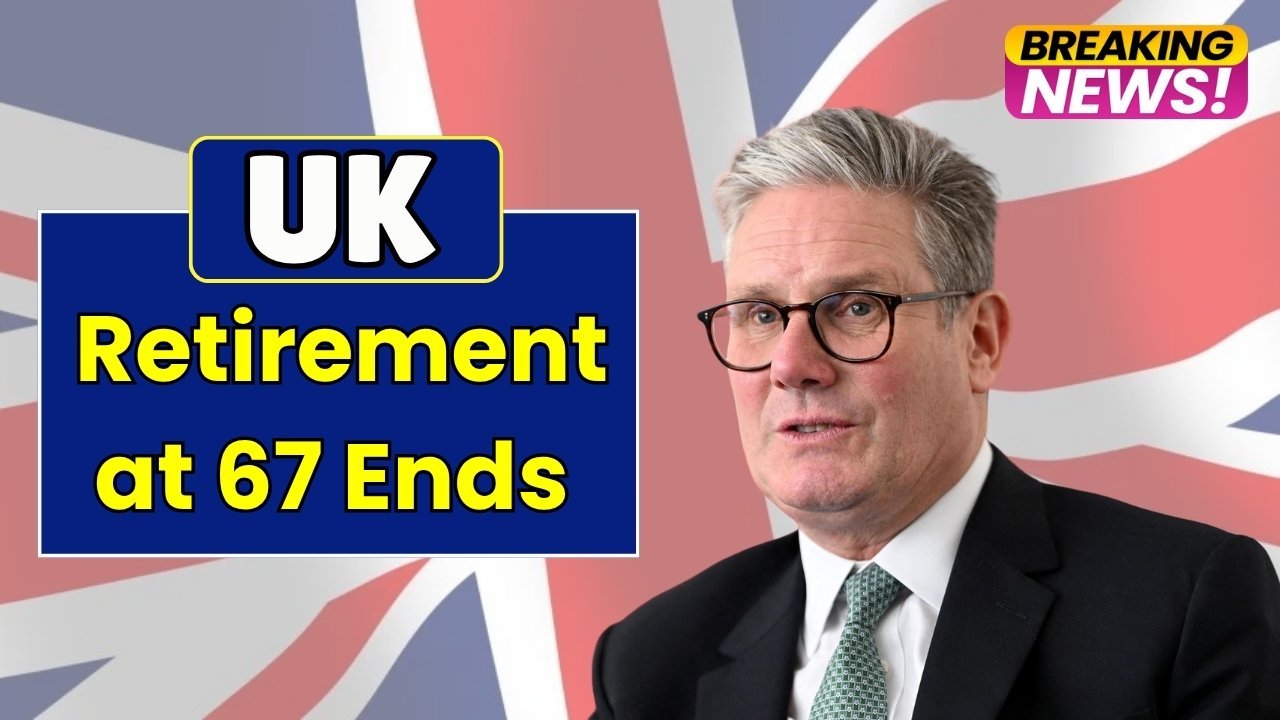
For decades, the UK State Pension age has been gradually increasing, with millions preparing to retire at 66 and then 67 in the coming years. But now, a major shift is underway. The UK Government has officially confirmed a new direction: saying “goodbye to retiring at 67,” signalling a significant change to the State Pension age once again.
This announcement has huge implications for future retirees, current workers, and younger generations who have been planning their long-term finances based on the previous rules. The new State Pension age policy represents one of the biggest modern changes to retirement planning in the UK. For many, this brings mixed emotions — uncertainty, concern, and also opportunity.
In this article, we break down what this change means, who will be affected, what to expect next, and how you can prepare financially. Let’s dive into all the key details.
What Has the Government Announced?
The government has confirmed that the State Pension age will no longer stop at 67 as previously planned. Instead, a new age threshold will be introduced. While the full detailed timetable will roll out gradually, the policy direction is clear: retirement age is rising again beyond 67 in future.
This announcement is driven by long-term demographic and economic factors. With the UK population living longer and the pension system under increasing financial pressure, ministers believe raising the State Pension age is necessary to keep the system sustainable.
Why Is the Retirement Age Changing?
There are several key reasons behind this policy shift:
- Longer life expectancy – People are living longer, meaning pensions must cover more years.
- Increasing pension costs – More retirees mean higher government spending.
- Demographic changes – Fewer working-age people supporting a growing elderly population.
- Pressure on public finances – Economic factors and inflation have made pension funding more challenging.
According to government thinking, increasing the pension age is a way to balance longer retirement life with financial reality. However, this does not come without concerns, especially from workers in physically demanding jobs or lower-income groups.
Who Will Be Affected First?
The first group likely to be affected includes younger age brackets who are not close to retirement. While older workers already near the pension age may see minimal changes, those in their 40s, 30s and especially 20s may face a later retirement threshold.
Certain age groups will be given more clarity as implementation plans roll out. However, the general understanding is:
- If you are 60 or above – likely no change
- If you are 50–59 – minimal adjustment possible
- If you are 30–49 – you may face a later retirement age beyond 67
- If you are under 30 – you are the most likely to see the biggest change
This staggered rollout aims to give workers time to adjust their financial planning accordingly.
Impact on Your State Pension Benefits
While the age threshold is changing, the core pension benefit system remains the same for now. Eligible individuals will still receive the State Pension, but at a later age.
For many, this means:
- Working longer than expected
- Saving more independently
- Adjusting retirement timelines
However, there may also be accompanying reforms, including potential changes in pension contributions, workplace pension support, and retirement flexibility options.
What Does This Mean for Workers?
For most working-age adults, the biggest takeaway is simple: planning for retirement becomes more important than ever. Relying solely on the State Pension will not be enough, especially with a later retirement age.
Key things to consider:
- Review workplace pension contributions
- Look at additional savings or investments
- Plan finances for a longer working life
- Consider health and fitness for extended working years
Workers in physically demanding jobs may particularly feel the pressure, as extending work years can be more difficult in manual labour sectors.
What About Those With Health Conditions?
One major debate centres on fairness. Many campaigners have long argued that increasing pension age without accommodations for people in difficult physical roles or those with health issues could leave many disadvantaged.
Future policies may introduce:
- Early pension access for medical reasons
- Special provisions for certain occupations
- Disability support adjustments
Nothing is final yet, but public consultation and pressure groups will likely influence future protections.
How Will This Affect the UK Workforce?
A later retirement age will keep more people working longer. This can bring both benefits and challenges:
Potential positives
- More experienced workforce
- Higher earnings across lifetime
- Reduced strain on government pension budgets
Potential challenges
- Age discrimination in hiring
- Workforce fatigue
- Pressure on healthcare systems
- Possible youth employment competition
This shift could reshape employment culture in the UK, with more emphasis on retraining older workers and flexible retirement paths.
How to Prepare Financially
To protect your retirement future, proactive financial planning is essential. Here are steps you can take:
- Check your National Insurance record
- Increase pension contributions where possible
- Use workplace pension matching
- Diversify savings — ISAs, investments, bonds
- Consider long-term retirement budgeting tools
Small contributions over many years can grow significantly thanks to compounding. Even an extra 1–2% per year can make a major difference.
What About the Triple Lock?
The State Pension Triple Lock — which guarantees rises based on earnings, inflation or 2.5% — remains a key feature of the pension system.
However, as pension ages rise, debates may continue over the affordability of the Triple Lock. While it remains in place currently, future governments may face pressure to review it in light of rising pension ages and increasing payouts.
Public Reaction So Far
Reactions to the announcement are mixed:
- Older groups relieved if changes don’t affect them much
- Younger workers frustrated at working longer
- Economists support sustainability focus
- Campaigners call for fairness and flexibility
Pension policy often triggers strong public interest, and this change is no different.
What Happens Next?
Implementation will roll out gradually. Expect:
- A detailed timeline announcement
- Updated government pension calculators
- Public consultations and debates
- Additional support policies for affected groups
The goal is to prevent sudden disruption and give citizens time to adapt.
Final Thoughts
The announcement marks a historic shift — the end of retirement at 67 as a guaranteed national benchmark. While the change is motivated by demographic and economic pressures, it raises important questions about quality of life, fairness, and financial planning.
For UK citizens, the key message is preparation. Start planning early, save consistently, and stay aware of policy updates. A later retirement age does not mean a less secure future — but it does require proactive effort.
Retirement in the UK is evolving, and those who take control of their financial planning today will benefit the most tomorrow.